

🌍 Introduction
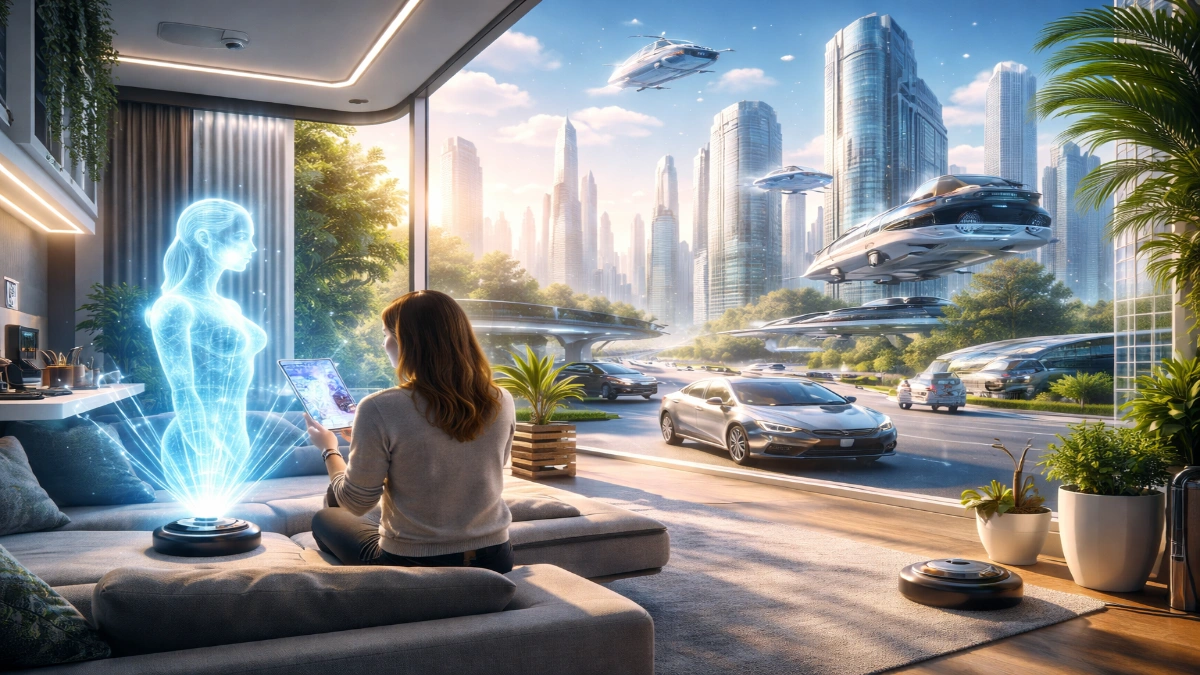
Imagine this: you wake up, not to a blaring alarm, but to sunlight easing through your window because your home knows it’s time for you to start the day. Coffee’s ready. Your schedule’s already mapped out. Before you even glance at your phone, your house has checked how well you slept and made suggestions for your day.
It sounds like something out of a sci-fi movie. But honestly, this isn’t as far off as you think. In just over a decade—by 2035—living like this won’t seem unusual at all.
Technology is moving so fast it’s hard to keep up. Remember not too long ago, maybe 10 or 15 years back, when voice assistants or video calls felt futuristic? Now, they’re just normal parts of life.
So, what’ll the next ten years look like?
🤖 AI Will Become Your Daily Companion
AI is sliding into our lives in ways you can’t miss. What used to be a fancy word has slowly turned into something you actually use. By 2035, it won’t feel like just another tool—it'll be more like a companion.
Instead of flipping through a dozen apps or digging through your inbox, your AI assistant will take care of things before you even remember to ask. It'll organize your day, remind you about stuff before it slips your mind, and give you money-saving tips or health advice without any nagging.
👉 Let’s say you’re planning a trip. Right now, you’d spend ages searching for flights, scrolling through hotel reviews, stressing about picking the right seat. In the near future, your AI just knows what you want—it books the window seat, finds your favorite hotel, keeps it in your budget, and does it all in seconds. No fuss. No exhaustion from too many choices.
🏙️ Smart Cities Will Be Everywhere
Cities will get smarter too—not just bigger. By 2035, everything will be connected. Roads, buildings, cars—even streetlights will talk to each other to make life smoother.
Think about living in a city where traffic jams are dealt with automatically. Where pollution is tracked and handled in real time. Where energy gets sent only to where people need it. Even garbage pickup transforms when bins alert the city when they’re full—cutting down trips, keeping streets clean.
Your car? It won’t just spot traffic. It’ll know about a jam long before you do and find a better way. Actual driving by humans is going to start to feel old-fashioned.
🚗 Transportation Will Change Completely
Transportation is in for a complete transformation. Self-driving vehicles won’t be a novelty. They’ll be normal. Less accidents. Flying taxis might buzz overhead. High-speed trains or tubes could connect cities in minutes.
Picture this: getting from Ahmedabad to Mumbai in half an hour. What now takes half a day will just be another quick trip. And since your car’s driving itself, you can nap, relax, or catch up on work.
🧠 Human + Machine Connection
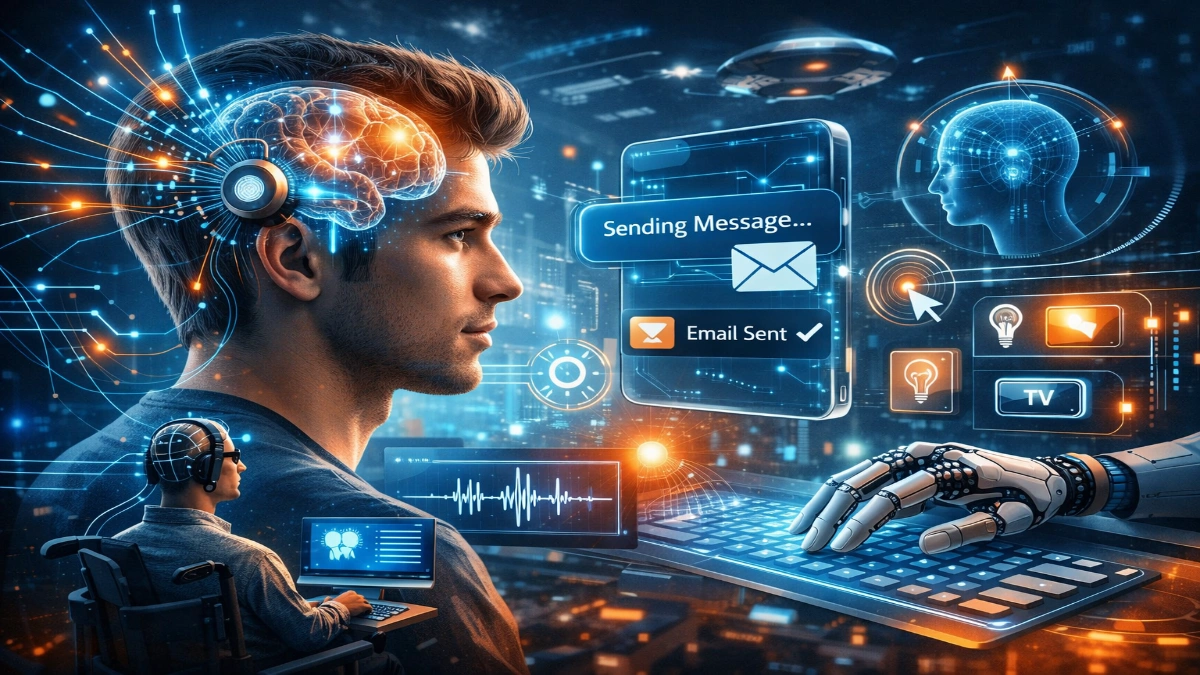
Now here’s where it really gets wild—the line between our brains and machines will start to blur. We’ll see things like brain-computer interfaces letting people control devices just by thinking.
You could send messages without touching your phone. Communicate faster than typing ever allowed. Get health warnings before you feel any symptoms. For some, this stuff will be a lifesaver.
🏠 Homes Will Think for You
Homes won’t be passive anymore either. They’ll think and adapt. Your house will learn your routines. The lights will match your mood. The heat or AC adjusts as you need it. Security recognizes you—and maybe any suspicious behavior—on sight.
After a rough day, you walk in and your place already knows to dim the lights, play your favorite playlist, set the perfect temperature. Pure comfort.
💼 Jobs and Work Will Transform
Work is getting a makeover too. Some jobs will disappear, sure, but new kinds of work will show up. Boring, repetitive stuff gets handed off to automation, leaving people to focus on creativity and problem-solving.
Working remotely will be even easier and more flexible. One person, with the right tools, could do what used to take a whole team.
🎓 Education Will Become Personalized
Education? Forget about everyone learning the same way. Learning will finally fit each person. AI tutors will be as common as calculators. Lessons move at your pace.
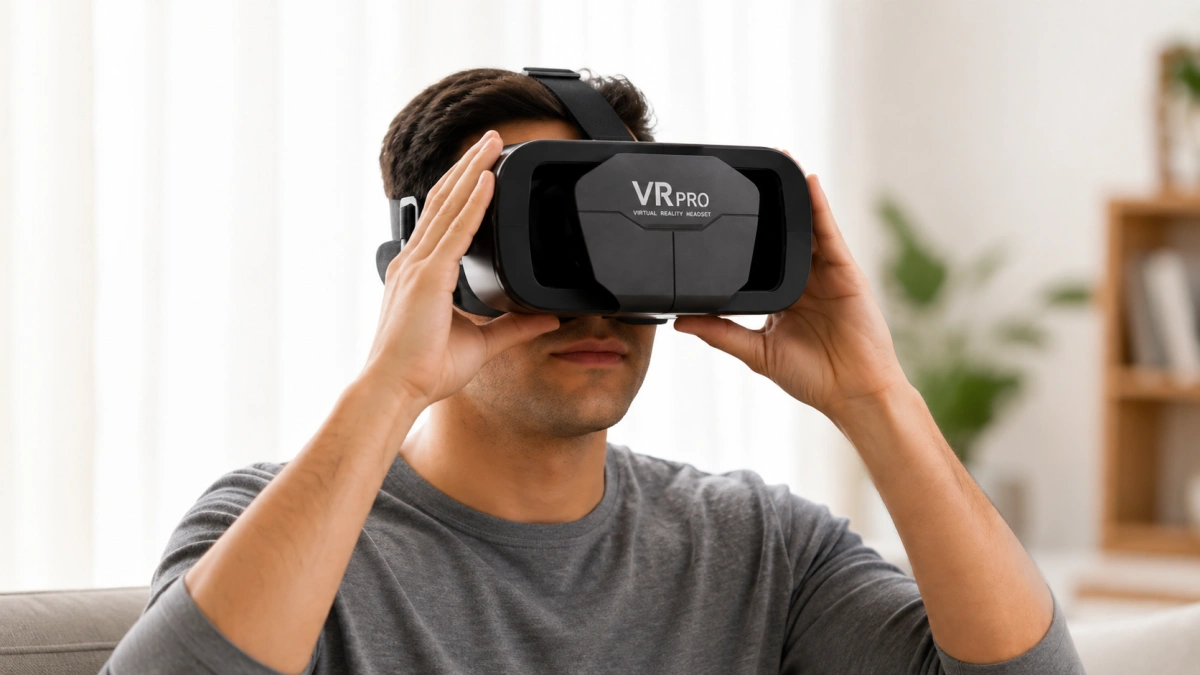
Virtual reality could let you step right into a Roman forum or a rainforest instead of just reading about them. School—at any age—gets way more engaging.
⚡ Challenges We May Face
Still, none of this comes without questions.
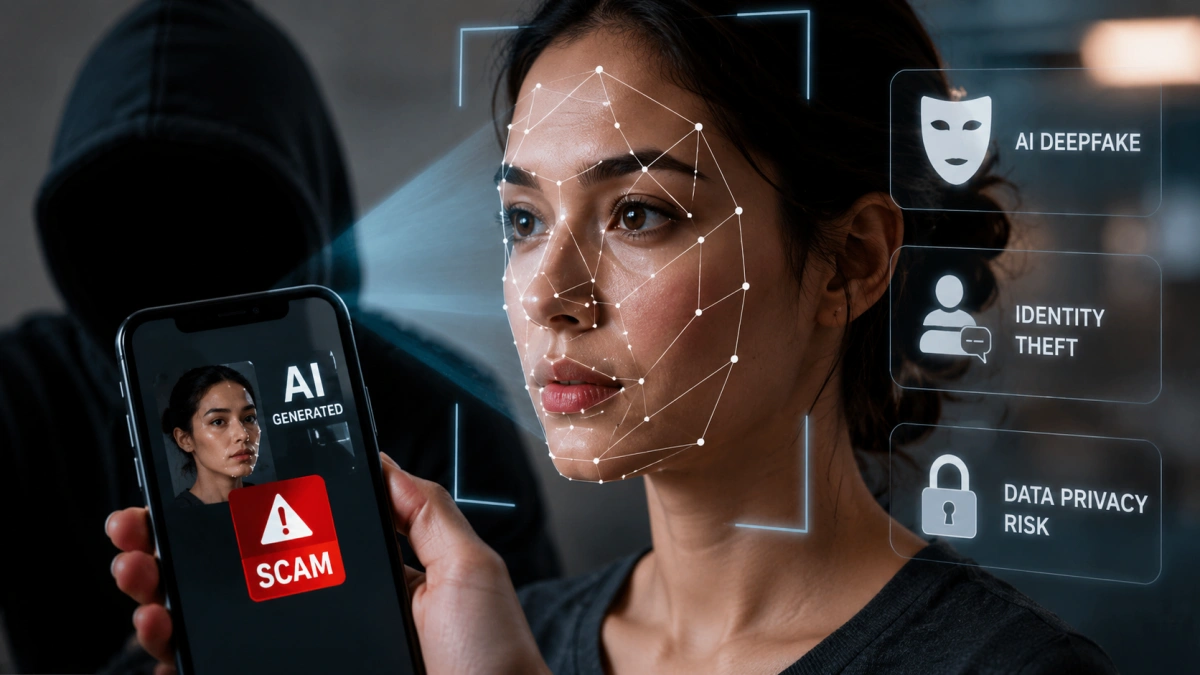
How much privacy are we willing to hand over?
What happens to folks whose jobs disappear?
Could we get a little too comfortable with all this smart stuff running our lives?
Those questions matter. Tech is about balance now. Using it wisely—that’s what really counts.
🔮 Final Thoughts
In the end, technology in 2035 won’t just mean fancier gadgets. It’ll change how we live, work, travel, and learn.
But core truth doesn’t change at all: technology exists to help us. The future is packed with possibility—but what matters most is how we shape it.
Because at the end of the day, it’s not technology that writes the future. We do.


















Comments (0)
No posts yet
Be the first to comment!